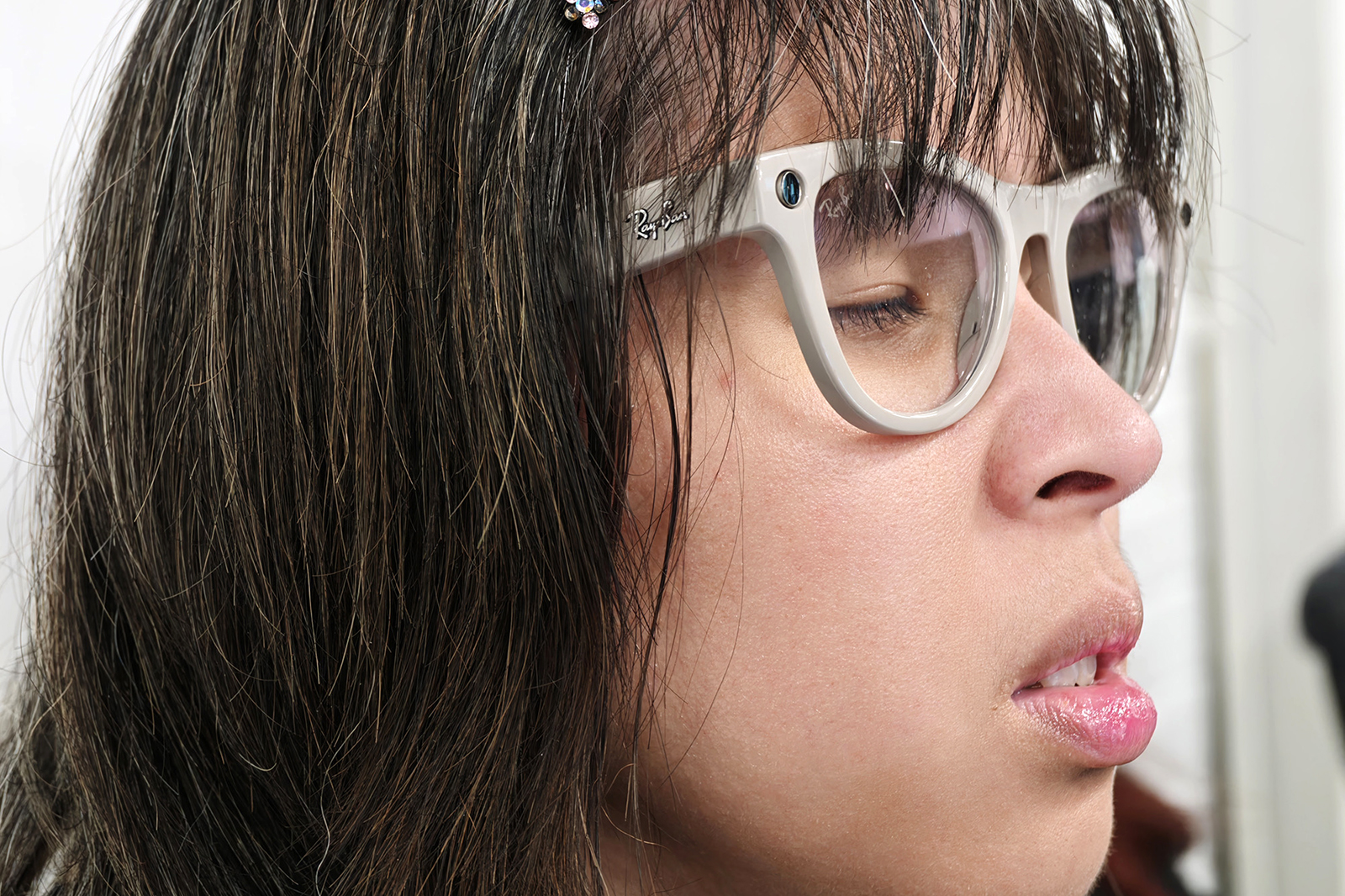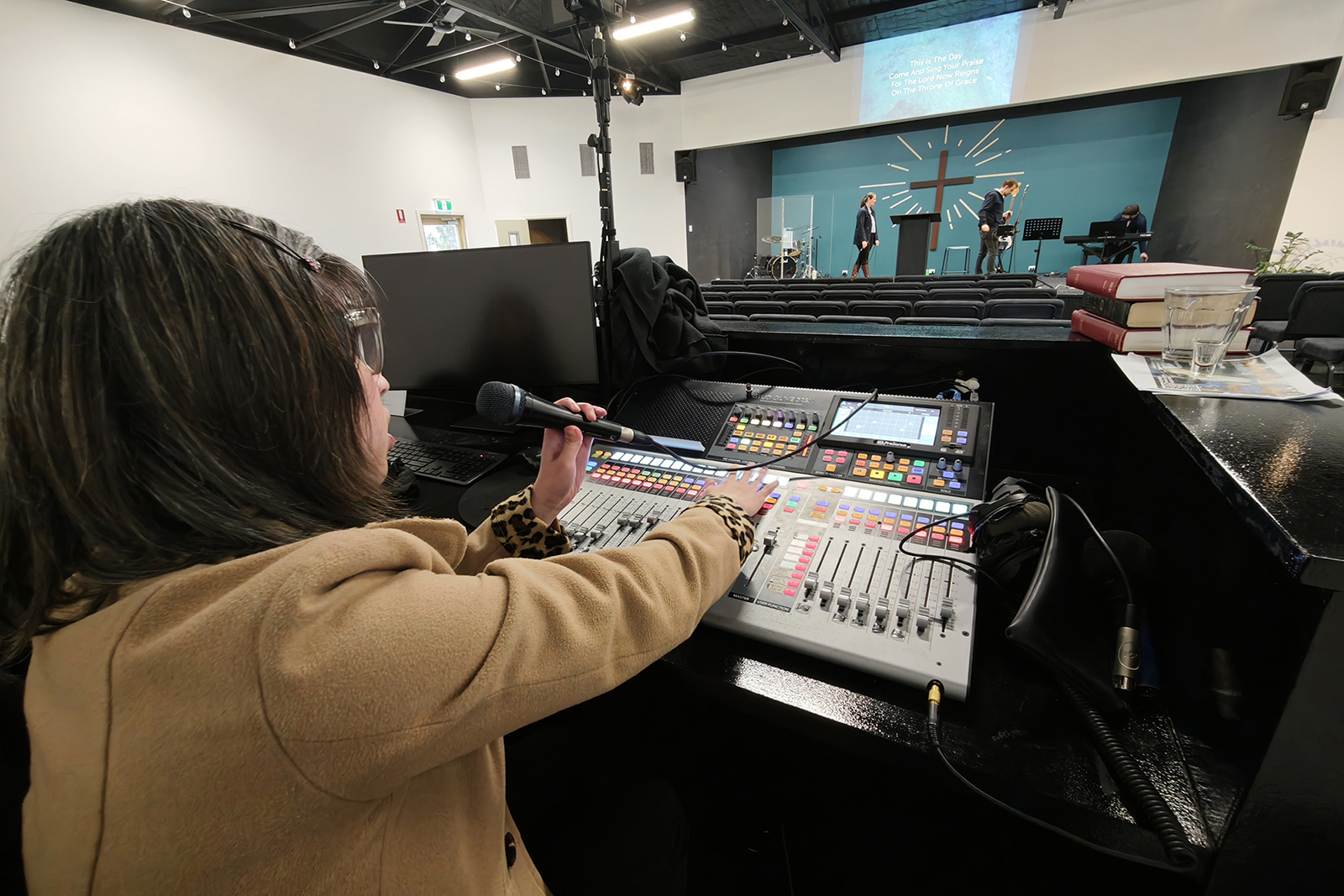
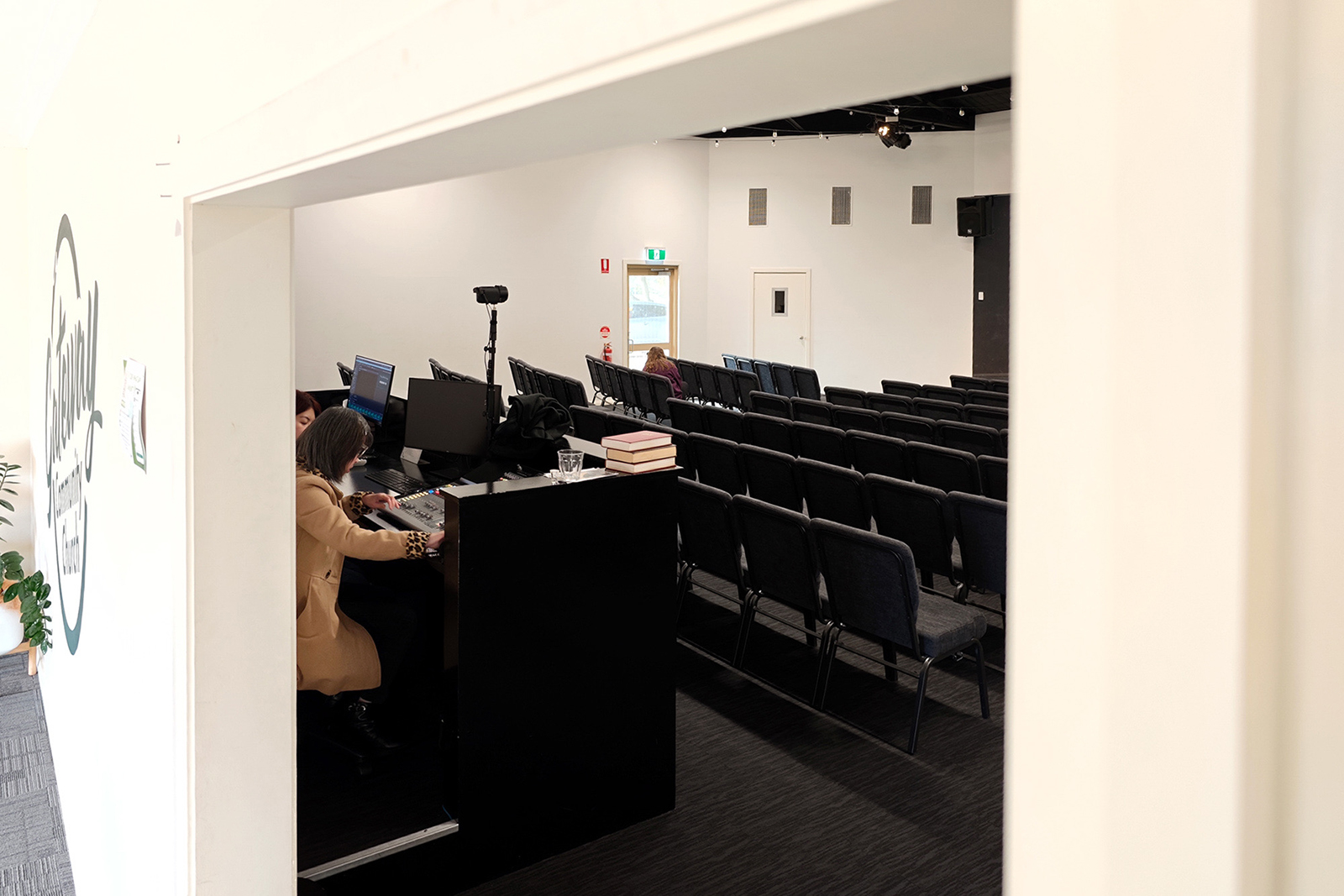
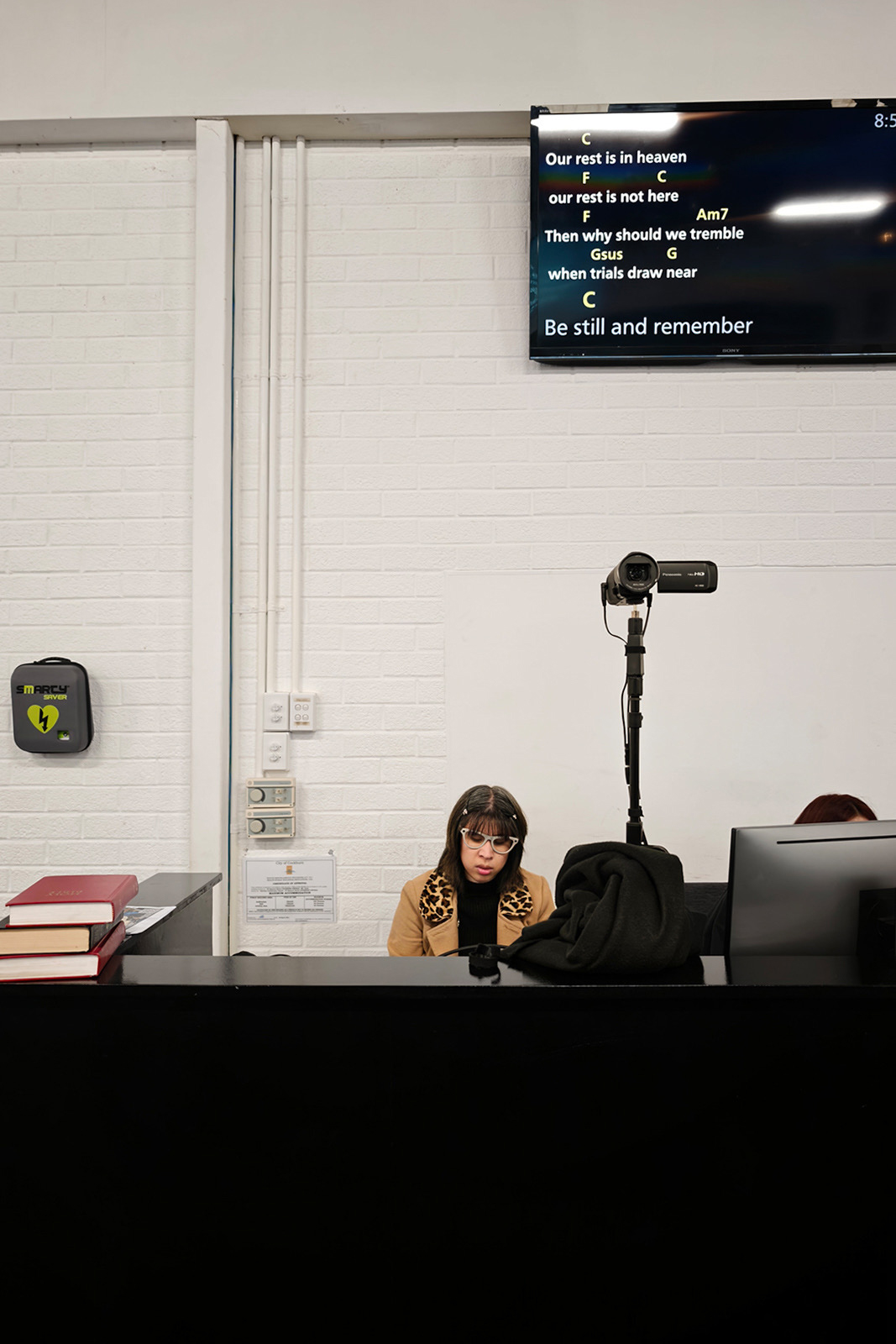
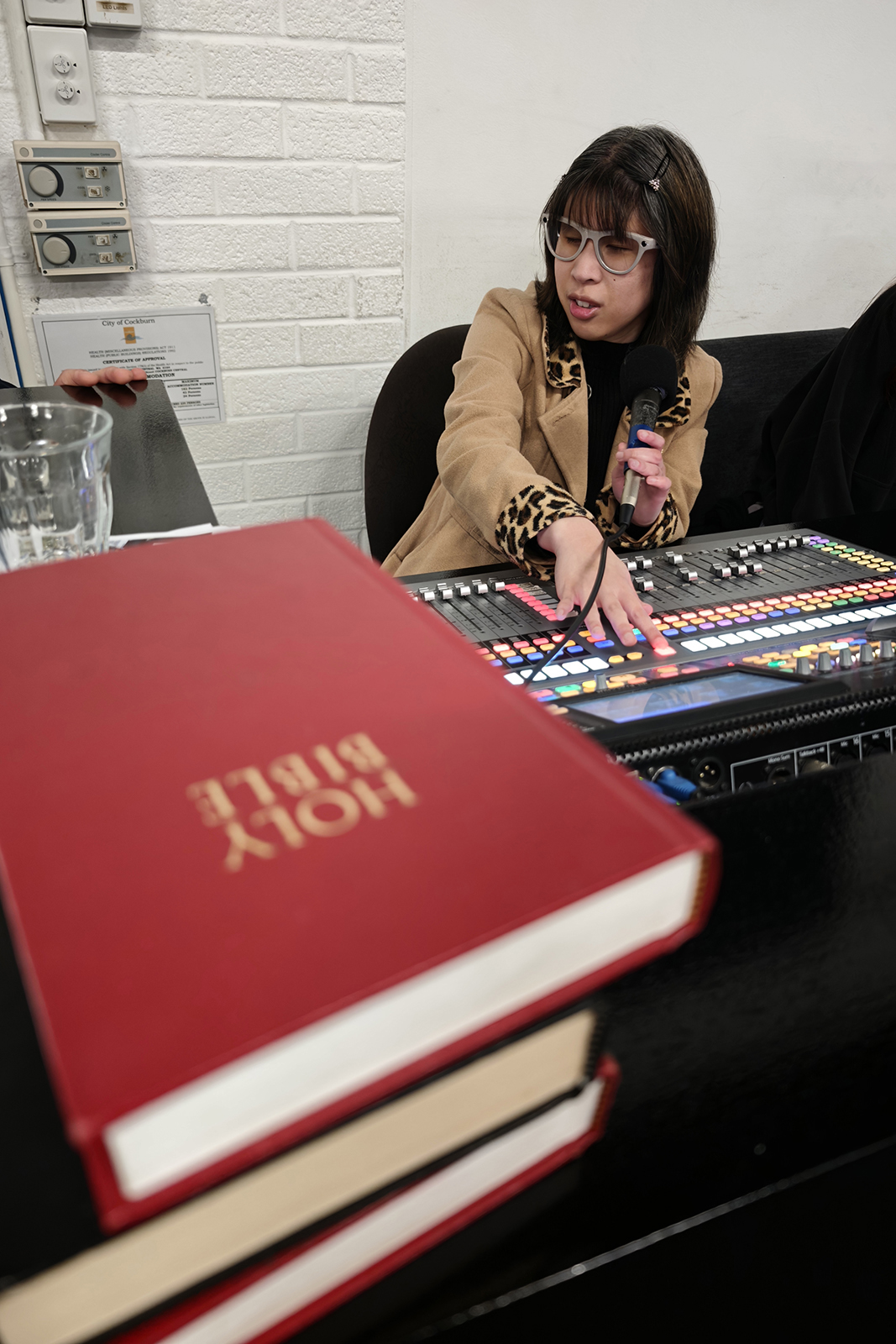
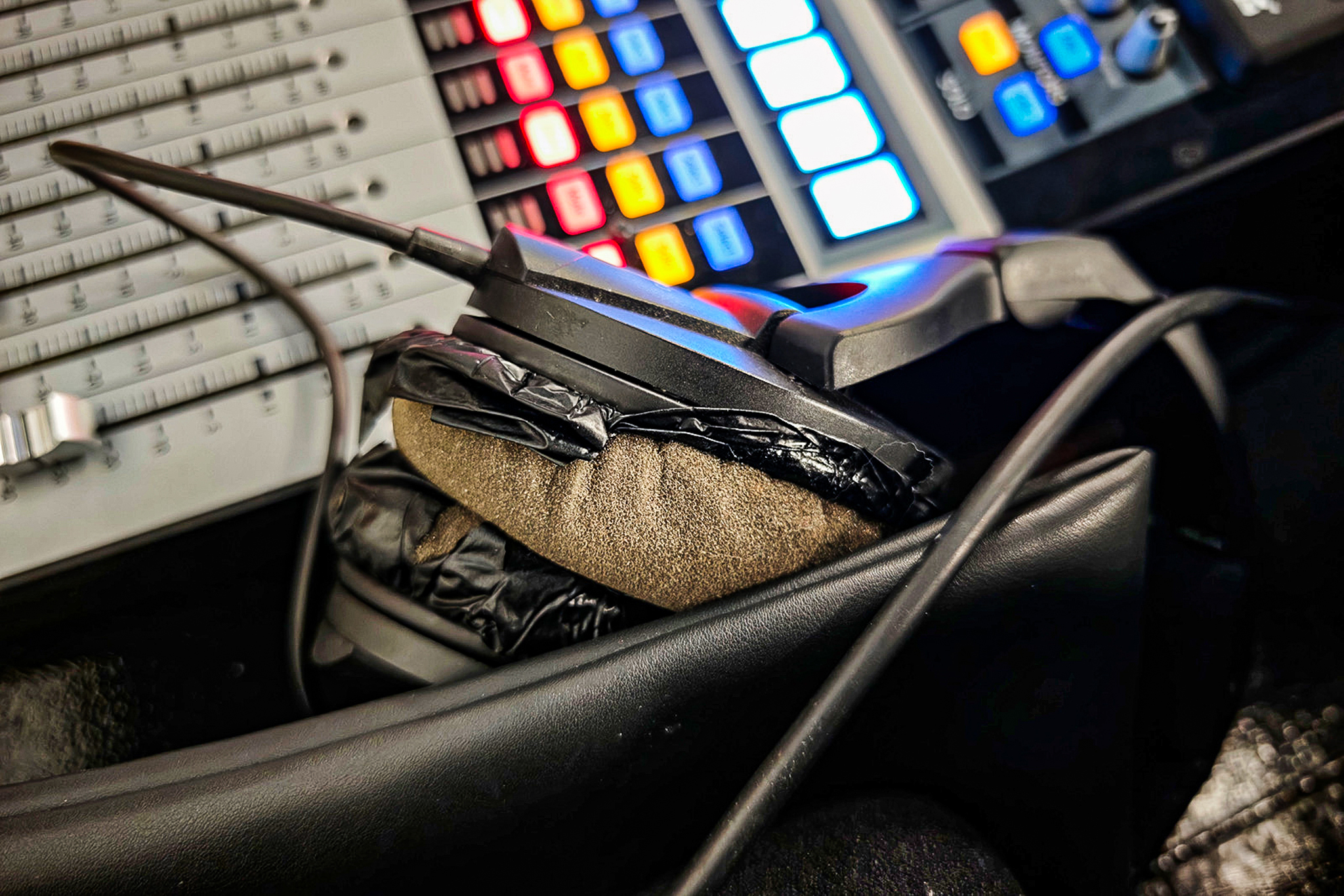
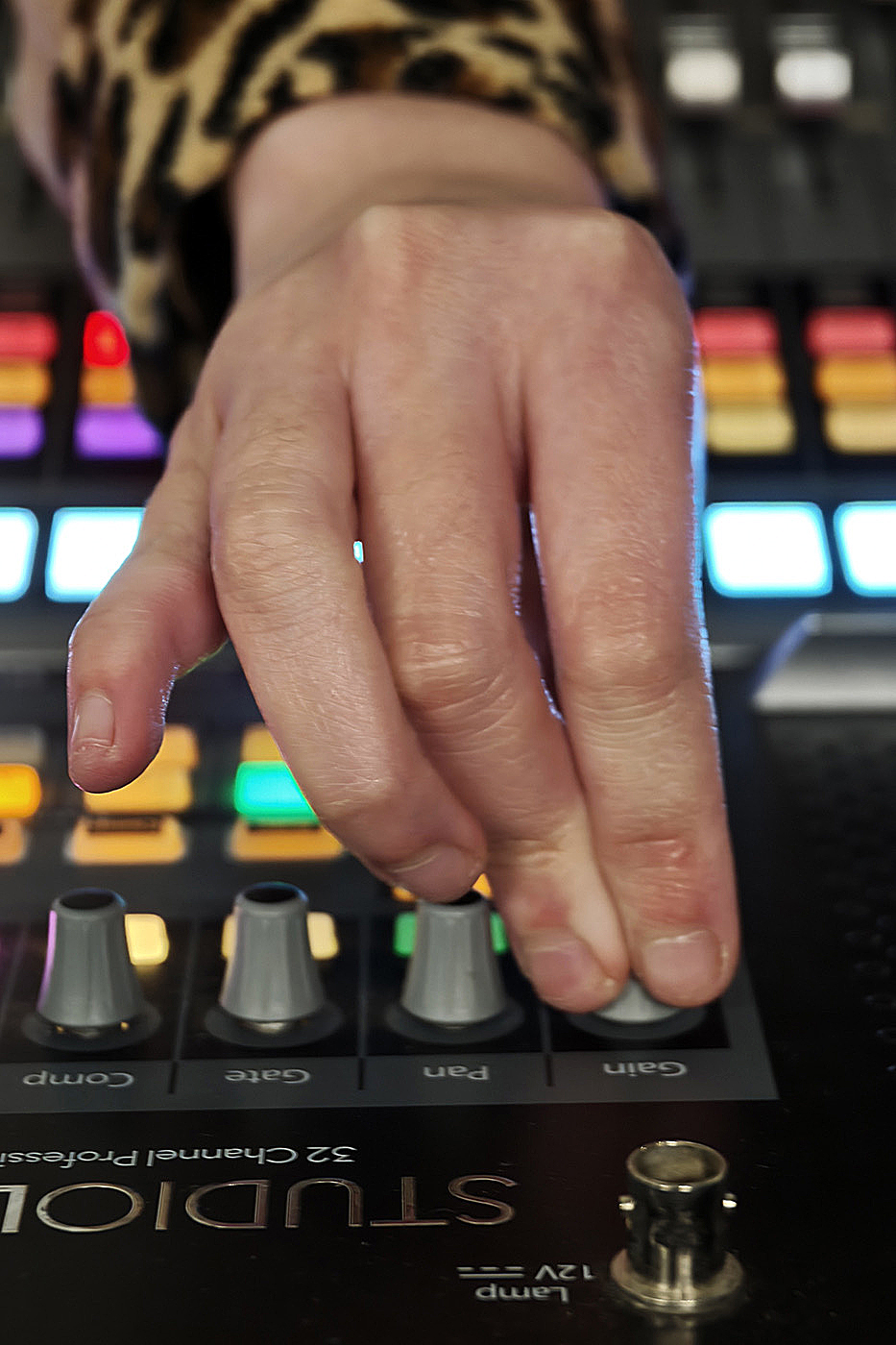
Two Sundays each month, before the first song begins, Ritchell takes her place behind the production console. Most people will never notice her. That's part of the beauty of serving. We asked Ritchell to tell us what she notices that the rest of us might miss.
1. What’s something people often miss when they first meet you?
The biggest obstacle for me when it comes to meeting people lies in breaking the presumption that a lot of people subconsciously have about people with a disability: Disabled means incapable of autonomy and of being your own person. I always feel like I have to work just that little bit harder to assert my independence when talking to others--to show them that I do possess the intelligence to hold a conversation. I've learned over the years not to feel offended or insulted by this--people don't know what they don't know.
2. When did music first become home for you?
I first started showing a keen interest in music at the age of three. I enjoyed singing, and when a teacher gave me a battery-operated toy piano for my birthday... that's when the true exploration began. At around the same time, I also found myself fascinated with sound. The way things sounded and the way different sounds changed and interacted with the environment intrigued me.
4. Has losing sight changed the way you notice God?
In a way, yes, particularly when I was a child. I see in sound, so hearing God's voice was one of the ways I was able to get closer to Him. God has also given me the gift of spiritual sight, which in my opinion is far more valuable than temporary physical sight that perishes with us when we die. As a child, I often saw angels as well as demons, and I've been to and seen Heaven and Hell a few times over the years.
3. You now wear AI glasses. What has changed? And what hasn’t?
AI is an evolving piece of technology that offers many benefits for people with disabilities. I first started wearing Ray-Ban Meta glasses in 2024, and have never looked back. The on-board Meta AI, along with other third-party AI-powered phone apps that integrate with the glasses, has increased my autonomy and independence like never before. Through computer vision, the AI(s) are able to give me helpful real-time information about my environment (e.g. what colour something is, what's in front of me, what someone is wearing/the expression on their face)... and so much more. I understand that AI isn't perfect, but it sure is a leap forward, and it will only get better as time goes by.
5. If someone reading this has perfect eyesight, what do you hope they begin noticing tomorrow?
This is a profound question. We live in a time where technology consumes us. Everywhere you go, people are constantly looking down at their phones, showing little to no awareness of what's going on around them. Me, I can't afford that. My ears are always attuned to the sounds around me, my nose is always picking up changes in smells, my feet feel changes in the texture of the ground I'm walking on, my body maps out the vibrations in the road, the number of bumps, and each turn and/or roundabout a vehicle makes as I casually ride as a passenger. It's a good thing to have perfect eyesight, but the world was created to be experienced using all five senses.
So tomorrow, as you go about your day, notice your environment--the sounds, the smells, the tastes, the textures around you. You'll be surprised at what you can learn just from being more aware, the way God created us to be.